

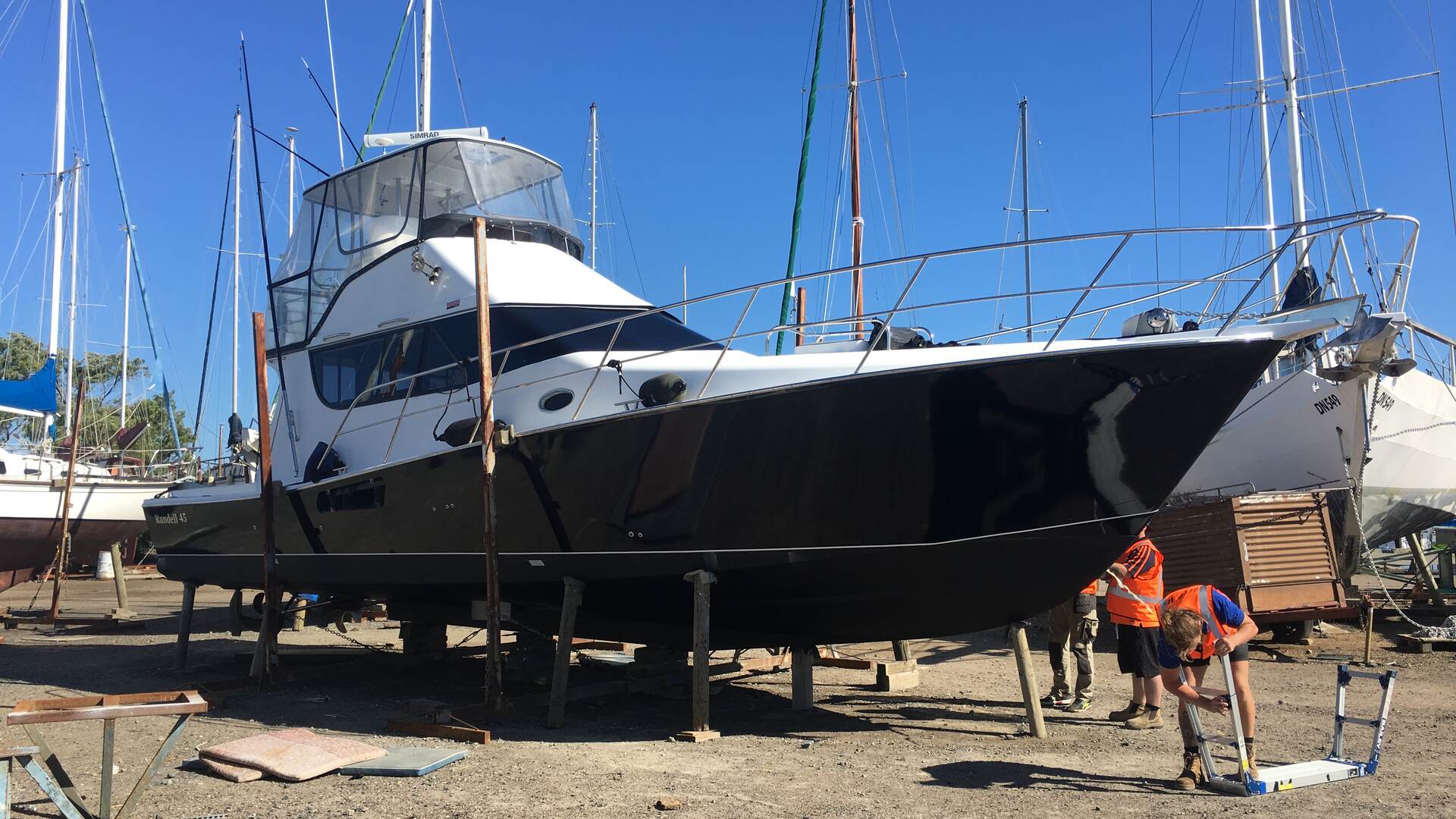
The Hidden Complexities of Boat Wrapping: Why Professional Installation Matters
Boat wrapping is far more complex than it appears, especially in the marine environment. Unlike cars, boats feature deep curves, flared bows, and irregular surfaces that require advanced techniques to apply vinyl without overstretching, wrinkling, or distorting graphics. The harsh conditions on the water—UV exposure, salt, moisture, and constant movement—make precise installation and edge‑sealing essential to prevent lifting, fading, and adhesive failure.
Professional installers bring expertise in surface preparation, vinyl stretching, seam placement, and graphic alignment. They understand how to manage large continuous panels, handle complex curves, and reinforce high‑wear areas like waterlines and fenders. With marine‑grade materials and specialised tools, professionals ensure your wrap lasts longer, looks seamless, and withstands the harsh realities of boating.
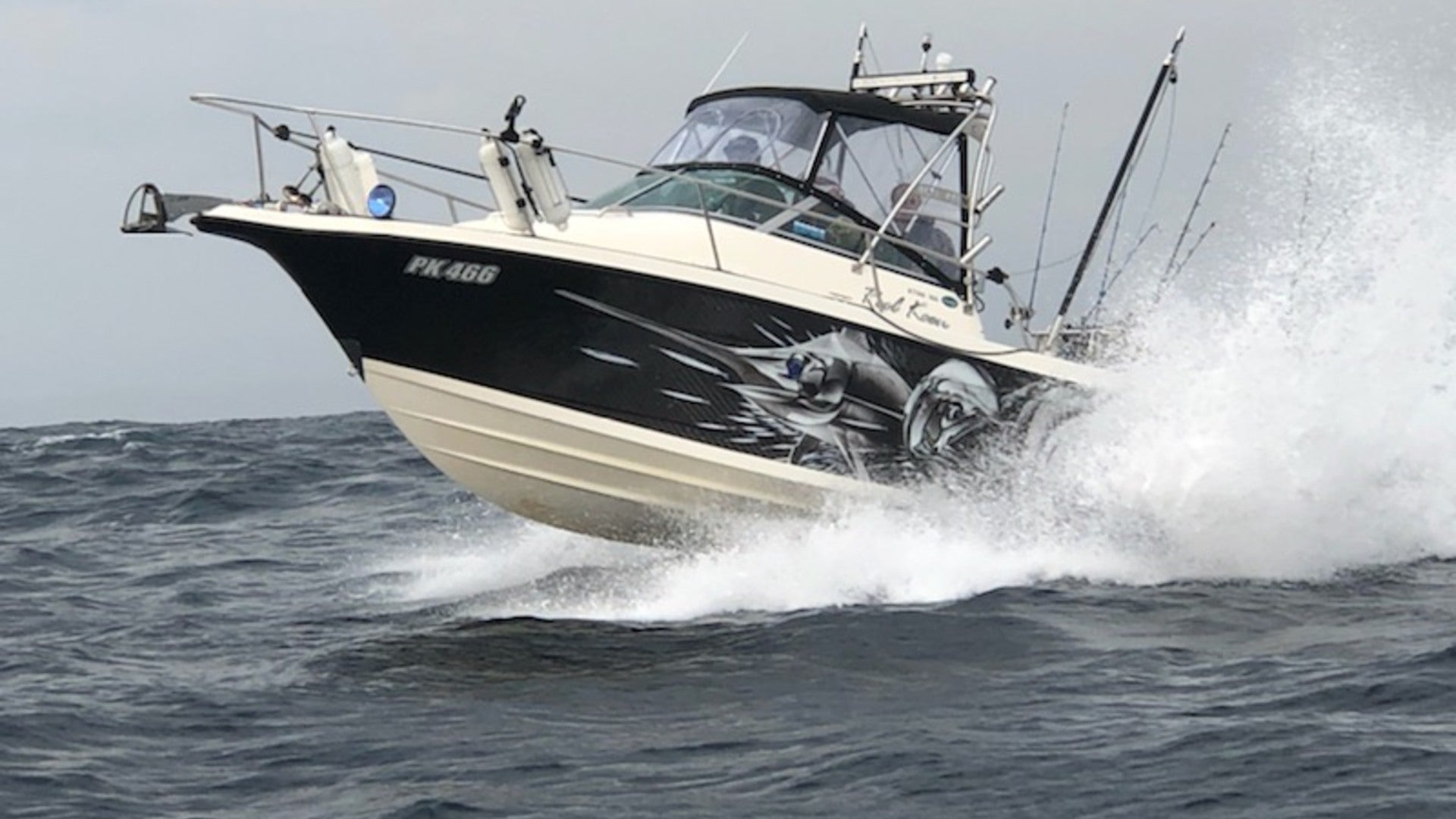
Repairing a Damaged Boat Wrap: Should You Patch or Replace a Section?
When a vinyl wrap gets damaged, the main decision is whether to patch the affected area or replace the entire section. Small, localised damage on a newer wrap can often be patched quickly and affordably. Patching works best when the colours haven’t faded and the design is simple.
However, if the wrap is older, heavily faded, or features detailed graphics, replacing the entire panel usually delivers a cleaner and more seamless result. Full‑panel replacement is also recommended for larger damage, lifted edges, moisture intrusion, and boat wraps exposed to constant rubbing or water.
In short:
- Patch small damage on newer wraps for a quick, cost‑effective fix.
- Replace full sections when quality, appearance, or long‑term durability matter.
A professional installer can assess the damage, match colours, and ensure a long‑lasting repair.
Find Us
Address
167 Browns Rd
Noble Park North,VIC 3174
Hours
Monday—Friday:
7:30AM–4:00PM