

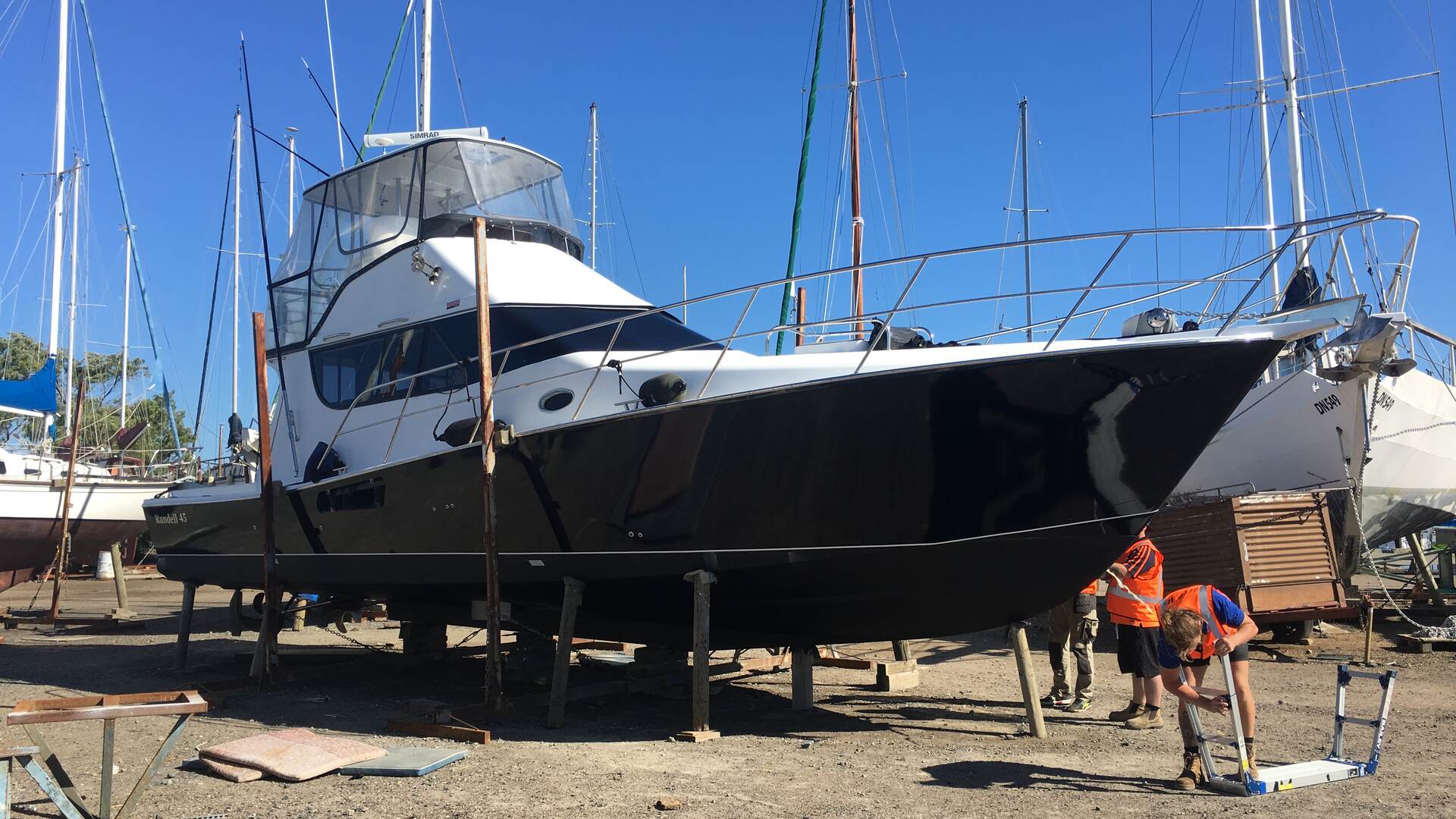
Wrapping a boat isn’t as simple as applying vinyl to a flat surface. The sleek, curved, and often irregular lines of marine vessels create unique challenges that require far more precision than most land‑based wraps. Add in the harsh marine environment—salt, sun, moisture, and abrasion—and it becomes clear why professional installation is essential for a wrap that lasts.
If you're considering a boat wrap for aesthetics, branding, or hull protection, here’s what makes the process complex and why choosing an experienced installer makes all the difference.
1. Boats Aren’t Flat—They’re Full of Complex Curves
Unlike cars, boats have:
- Deep compound curves
- Flared bows
- Concave and convex surfaces
- Multiple angles transitioning seamlessly
- Contours that vary from hull to transom
These shapes require:
- Expert heat‑stretching of vinyl
- Advanced squeegee and tension control
- Pattern alignment across dramatically curved surfaces
An inexperienced installer may overstretch the vinyl, causing:
- Premature lifting
- Distortion of colours or printed designs
- Weak adhesive performance
- Wrinkles or tension marks visible in sunlight
Professional installers understand how to “read the hull” and apply film without overstressing it.
2. The Marine Environment Is Tougher on Vinyl
Saltwater, UV exposure, humidity, and constant water contact all punish marine vinyl more aggressively than environmental conditions on land.
Saltwater causes:
- Faster adhesive breakdown
- Corrosion around edges
- Lifted seams if installation isn’t sealed well
UV exposure is intense on open water, causing:
- Fading
- Brittleness
- Adhesive degradation
Moisture intrusion is the biggest killer.
If edges or seams aren’t installed perfectly, water will creep under the film, leading to bubbles, lifting, and mould.
Professionals use:
- Marine‑grade vinyl such as 3M280 with 3M8518 overlaminate
- UV‑resistant laminate
- Edge‑sealing techniques
- Correct surface preparation to eliminate moisture traps
3. Surface Preparation Is Far More Critical on Boats
Boat surfaces often contain:
- Wax residue
- Oxidation
- Marine growth
- Micro‑pores in gelcoat
- Residual salt crystals
If not removed correctly:
- Vinyl won’t adhere properly
- Bubbles will form later
- Seams can fail prematurely
Professional installers carry out:
- Deep decontamination
- Solvent cleaning
- Gelcoat inspection
- Surface repairs (if needed)
- Temperature and humidity‑controlled installation
Proper prep and materials is the difference between a wrap that lasts 1 year and one that lasts 7-10 years.
4. Edges, Seams, and Transitions Are an Art Form
Boats have many areas that demand advanced wrapping skill:
- Waterline transitions
- Hard chines
- Rails, rub rails, and spray rails
- Lifting strakes
- Steps
- Keel curvature
Each of these requires:
- Strategic seam placement
- Post‑heating to lock film memory
- Proper adhesive anchoring
- Avoidance of water entry points
A professional knows where a seam should be placed so it remains both invisible and durable.
5. Printed Designs Must Align Over Extreme Curves
If the boat wrap includes:
- Logos
- Gradients
- Patterns
- Stripes
- Custom artwork
…alignment becomes much more difficult on a curved hull.
Unlike vehicles, boat curves distort artwork dramatically.
Professionals use:
- 3D digital templates
- Hull measurements
- Print distortion mapping
- Registration marking
- Section‑by‑section alignment strategies
This ensures artwork stays visually consistent, even as it wraps around curves and corners.
6. Large Continuous Surfaces Require Expert Handling
Boats often have oversized panels with no natural break lines.
This means:
- Large sheets of vinyl must be applied with absolutely no contamination
- Wind, dust, and moisture must be controlled
- Multiple installers must coordinate the application in real time
One wrong move can cause creases or dirt infiltration, meaning the panel must be redone entirely.
7. Professional Installers Offer Marine‑Specific Protection
Many professionals apply additional protective measures such as:
- Edge sealing tape
- Marine‑grade topcoats or ceramic coatings
- Additional UV laminate
- Anti‑foul compatible lower‑sections
- Fender impact reinforcement film
These upgrades significantly increase durability—especially on boats moored long‑term.
Why Professional Installation Matters
A boat wrap is a major investment, and professional installers ensure:
- Correct materials are used
- Longer lifespan
- Better appearance
- Stronger adhesion
- Reduced maintenance
- Lower long‑term cost
- Warranty support
DIY or inexperienced installation usually leads to:
- Peeling edges
- Bubbles and water intrusion
- Warping and distortion
- Fading or cracking
- Complete wrap failure
In a marine environment, precision isn’t optional—it’s essential.
Final Thoughts
Boat wrapping is both a science and an art. The unique shapes, conditions, and performance demands of marine vessels make professional installation crucial. When done correctly, a boat wrap transforms your vessel with vibrant, durable, and long‑lasting protection that stands up to Australia’s toughest marine environments. Form A Sign have over 20 years experience wrapping both commercial and residential boats.
Share:
Boat Registration Numbers & Compliance in Victoria: What You Need to Know
Best Boat Wraps Melbourne: Custom Marine Wraps That Stand Out