

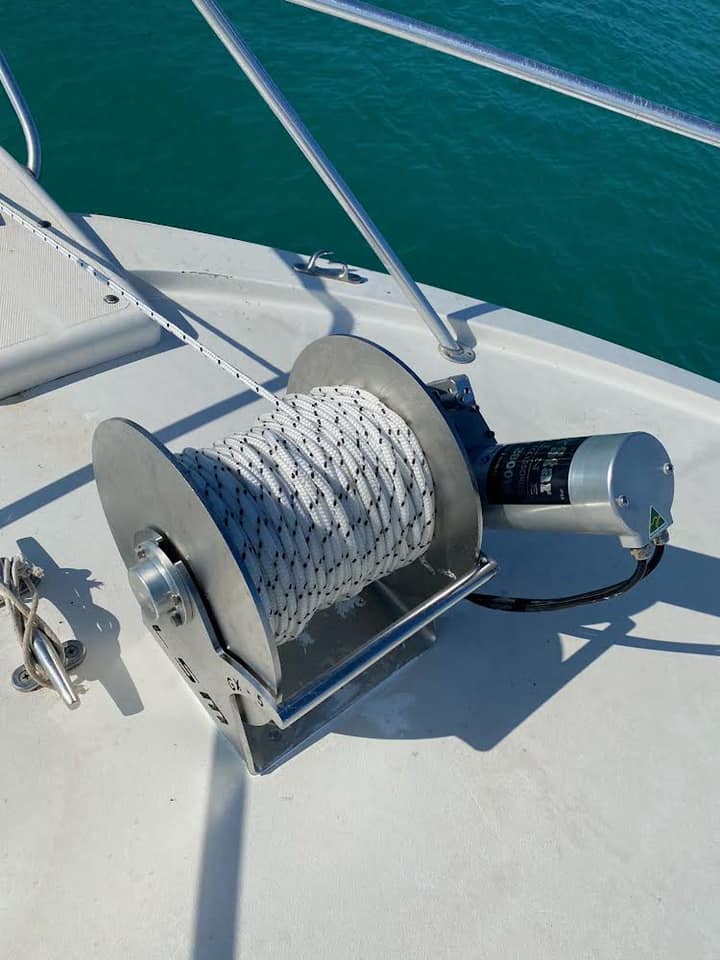
Anchoring in Port Phillip Bay requires attention to tides, wind shifts, and holding ground (mostly sand and mud). Here’s a practical, local-focused guide.
1️⃣ Pick the Right Spot


Look for:
-
Sand or firm mud (best holding in the bay)
-
Protection from forecast wind changes (southerlies can build quickly)
-
Adequate depth at low tide
-
Safe distance from channels and swing moorings
Avoid:
-
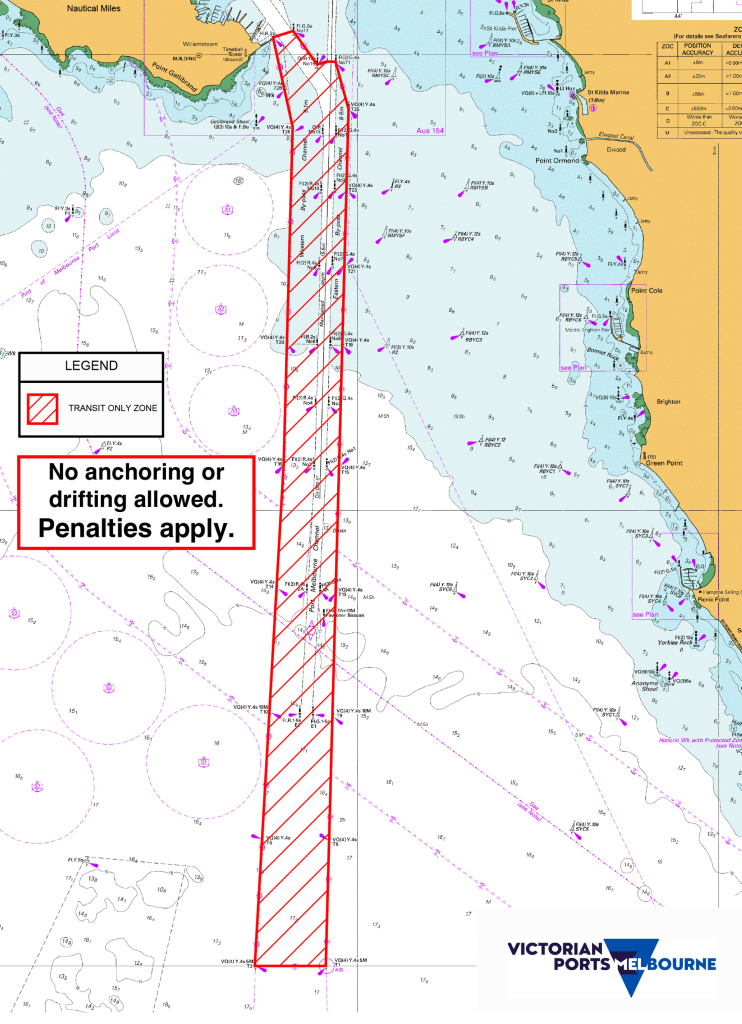
Shipping channels (especially near The Heads & Port Melbourne)
-
Seagrass beds
-
Areas with heavy tidal flow (e.g., near The Rip)
👉 Popular sheltered anchorages include areas off Sorrento, Blairgowrie, Mornington, and Williamstown (depending on wind direction).
2️⃣ Check Depth & Calculate Scope
Port Phillip Bay tidal range: typically 0.5–1 metre (can vary).
Scope = length of anchor line ÷ water depth
Use:
-
5:1 scope in calm conditions
-
7:1 scope if windy or overnight
Example:
If depth is 4m at low tide and your bow roller is 1m above water:
Total depth = 5m
7 × 5m = 35m of rode
3️⃣ Lower (Don’t Throw) the Anchor


-
Head slowly into the wind or current
-
Stop the boat
-
Lower the anchor straight down
-
Slowly reverse while paying out chain/rope
-
Let it dig in gently
⚓ Most common anchors in the bay:
-
Plough (CQR style)
-
Danforth (great in sand)
-
Modern scoop anchors (very reliable in mud/sand)
4️⃣ Set the Anchor
Once scope is out:
-
Gently reverse at low throttle
-
Feel for the boat stopping firmly
-
Watch a fixed land reference to confirm you're not dragging
If it drags:
-
Retrieve
-
Try again with more scope or better bottom
5️⃣ Final Checks (Very Important in Port Phillip)
-
Re-check swing room (boats can swing 180° with wind change)
-
Use an anchor alarm on GPS if staying overnight
-
Check weather (southerlies can arrive quickly in summer)
-
Make sure anchor light is on at night
⚠️ Special Port Phillip Notes
-
Afternoon sea breezes often build from the south.
-
Strong tidal flow near The Heads (avoid anchoring there).
-
Large ships transit the bay — stay clear of channels.
-
Weed patches exist in some northern areas — anchor may not set well there.
Share:
How to Install your Lone Star Anchor Winch on your boat.
How do I set my boat anchor in Westernport Bay?