

Anchoring in Western Port is very different from Port Phillip — the tides run hard, currents are strong, and large areas dry at low tide. Getting it right matters here.
🌊 1️⃣ Understand Western Port Conditions

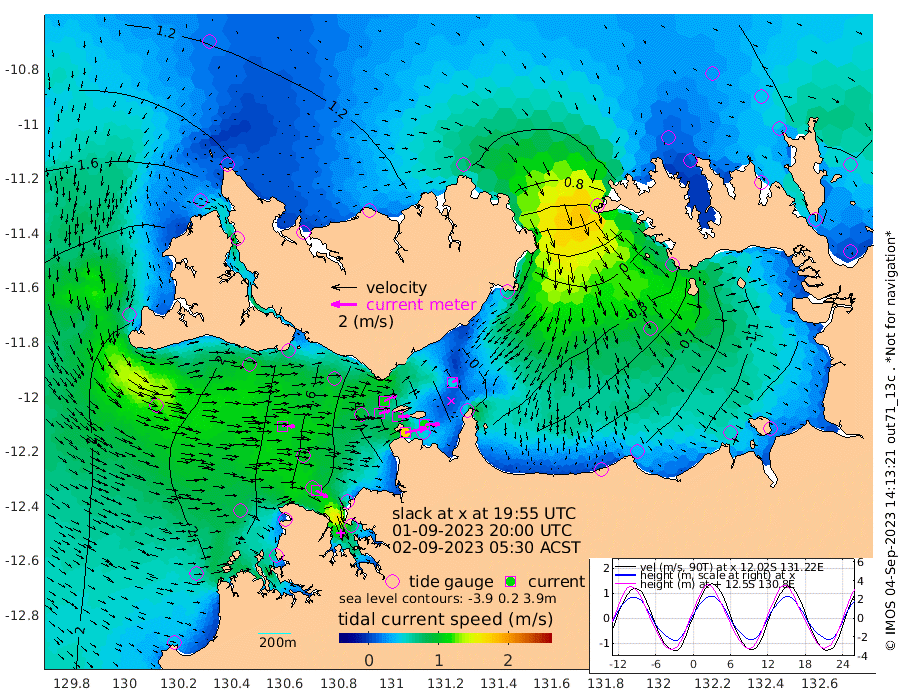

Western Port has:
-
Strong tidal currents (often 3–4 knots in channels)
-
Large mud flats that dry at low tide
-
Deep tidal channels
-
Significant tide range (often 2–3 metres)
⚠️ The current often matters more than the wind when anchoring here.
⚓ 2️⃣ Pick the Right Location
Safer anchoring areas are typically:
-
Inside sheltered coves
-
Out of main tidal channels
-
Away from banks that dry
Common areas people anchor:
-
Around French Island (sheltered sides depending on wind)
-
Near Rhyll
-
Inside Corinella area
Avoid:
-
The main shipping channel
-
Narrow current funnels
-
Shallow banks unless you’re sure of tides
📏 3️⃣ Calculate Scope (More Than Port Phillip)
Because of current, use:
-
Minimum 5:1 scope
-
7:1–8:1 for strong tide or overnight
Example:
Depth = 6m
Bow height = 1m
Tide range = 2m
Total working depth = 9m
At 7:1 scope → 63m of rode
Western Port needs generous scope.
⚓ 4️⃣ Setting the Anchor (Current First, Not Wind)


-
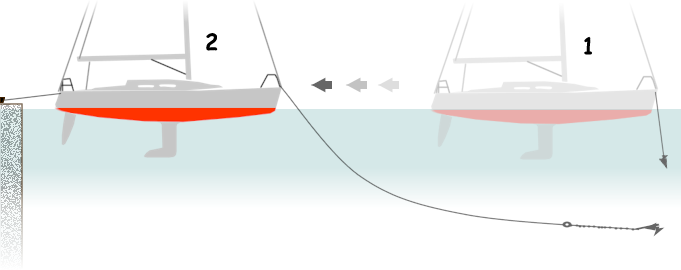
Approach into the current (not wind)
-
Stop the boat
-
Lower anchor straight down (don’t throw)
-
Let current pull the boat back while you pay out chain
-
Once full scope is out, gently increase reverse throttle to set it
You should feel it dig in firmly.
If it skips or drags:
-
You may be on soft mud
-
Try more scope
-
Or move to firmer bottom
🧲 Best Anchor Types for Western Port
Western Port seabed = mostly mud and sand
Best performers:
-
Danforth (excellent in mud)
-
Modern scoop anchors (Rocna, Sarca)
-
Plough anchors (okay but may skate in very soft mud)
⚠️ Critical Western Port Safety Tips
-
Expect the boat to swing 180° every tide change
-
Check you won’t swing into shallows at low tide
-
Use an anchor alarm if staying overnight
-
Watch weather — strong northerlies can stack water quickly
-
Don’t underestimate how fast current builds
🌙 Overnight Anchoring Checklist
-
Extra scope
-
Snubber line to reduce shock load
-
Check tide times
-
Re-check position after full tide change
Need more information about Lone Star Anchors?
Contact Form A Sign, experts in marine.
Share:
How do I set my Lone Star boat anchor in Port Phillip Bay?
Step-by-Step Guide for Installing a Lone Star Anchor Winch on Your Boat