

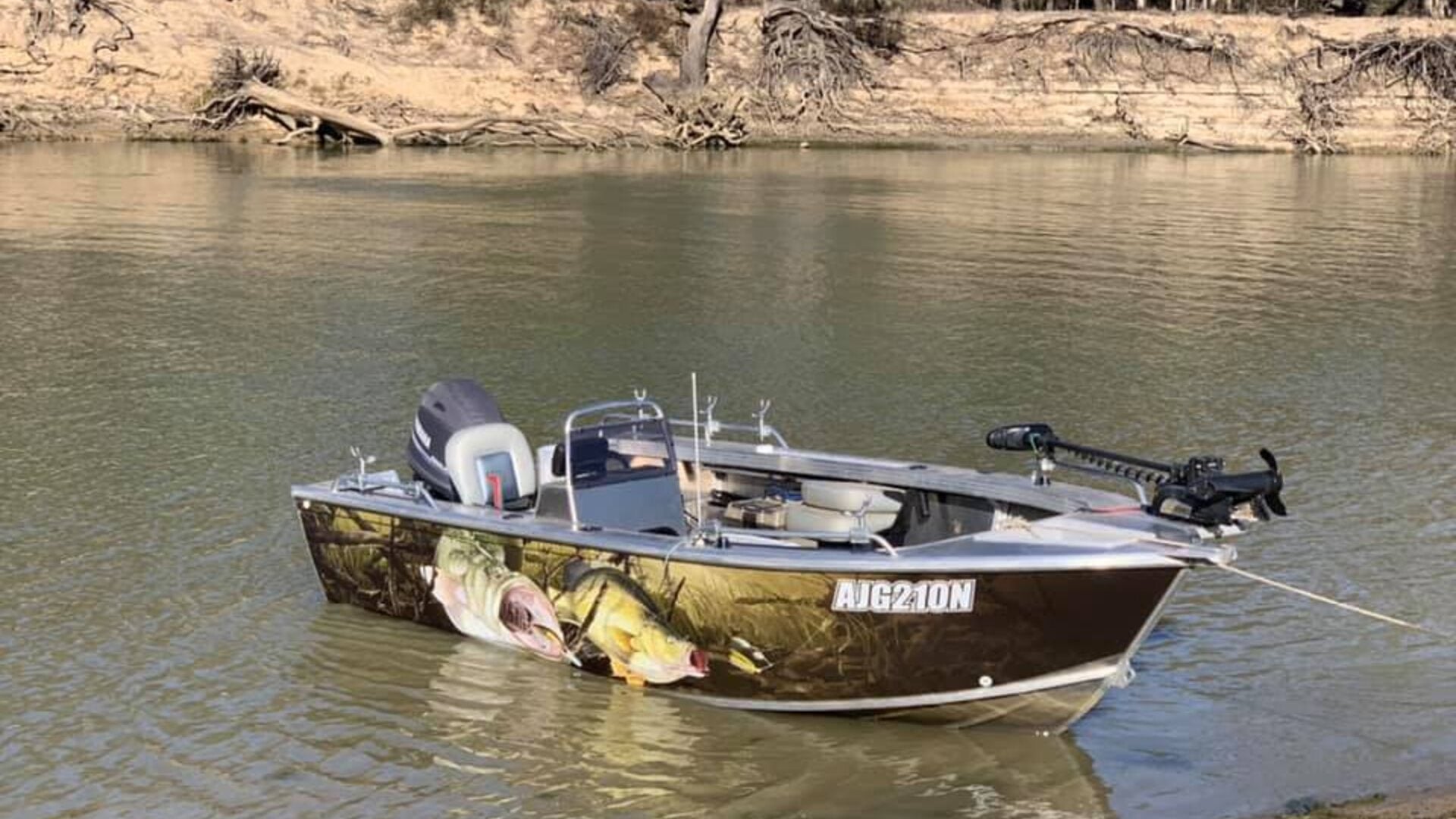
How to Protect Your Boat Wrap: The Complete Care Guide
A high‑quality boat wrap is a big investment—one that transforms the look of your vessel while also protecting the original gelcoat. Whether you’ve chosen a full wrap, partial wrap, or custom graphics, proper care is essential to keep it looking sharp for years to come. With the right maintenance routine, your wrap can stay vibrant, glossy, and damage‑free despite harsh marine conditions.
Here’s everything you need to know about protecting your boat wrap.
1. Wash Your Boat Wrap Regularly
Salt, grime, and UV exposure are the biggest threats to vinyl wraps. Washing removes contaminants that can degrade the film over time.
Best washing practices:
- Use mild automotive or marine‑safe soap (avoid harsh detergents).
- Wash with soft sponges or microfiber cloths—never abrasive brushes.
- Rinse thoroughly, especially after saltwater use.
- Dry with a clean microfiber towel to avoid water spotting.
How often?
- After every saltwater outing
- Every 2–3 weeks for freshwater boating
2. Protect Against UV Damage
Boat wraps endure intense sunlight, especially in Australia’s climate. UV rays fade colours and reduce the lifespan of vinyl.
Plexus hydrates the vinyl and create a barrier that shields the wrap from UV, contaminants, and oxidation.
Avoid waxes—many contain petroleum distillates that damage vinyl.
3. Store Your Boat Correctly
Where and how you store the boat matters.
Best storage options:
- Indoor storage whenever possible
- Shaded areas or enclosed carports
- Quality boat covers, ideally breathable and UV‑resistant
Covers should never rub harshly against the wrap; choose soft inner linings when possible.
4. Choose Safe Cleaning Products
Some chemicals can eat away at vinyl, causing brittleness or fading.
Avoid:
- Pressure washers over 1,500 PSI
- Solvents
- Bleach-based products
- Isopropyl alcohol (except for spot-cleaning)
- Abrasive polish or compounds
Safe for vinyl wraps:
- pH-neutral soaps
- Water-based cleaners
- Vinyl-safe detail sprays
- Car / Truck wash watered down to 20:1 for heavy soiled wraps (normal wraps watered down to 100:1)
If you’re unsure, check whether the product is labelled as vinyl wrap safe.
5. Handle Fuel Spills Immediately
Fuel spills can stain or permanently damage vinyl wraps.
What to do:
- Wipe the area immediately with soapy water
- Rinse thoroughly
- Never leave fuel to sit or dry on the vinyl
If heavy staining occurs, consult your wrap installer.
6. Avoid Abrasion and Impact Damage
Abrasion is one of the fastest ways to ruin a wrap.
Common sources of damage:
- Dock rub
- Fenders rubbing directly on vinyl
- Fishing gear scraping against the sides
- Boat-to-boat contact
Prevention tips:
- Use fender covers with socks on them
- Be cautious when loading equipment
7. Inspect the Wrap Regularly
A few minutes of inspection can prevent big problems.
Check for:
- Lifting edges
- Small tears
- Air bubbles
- Signs of fading or brittleness
Fixing a minor issue early can prevent water intrusion or peeling.
8. Get Professional Maintenance When Needed
Even with perfect care, wraps will eventually show wear. Professional detailers or wrap installers can:
- Deep-clean vinyl
- Repair tears and lifting edges
- Apply professional-grade ceramic coatings
- Advise on long-term maintenance
Contact Form A Sign for more information.
Final Thoughts
A boat wrap is a powerful combination of style and protection—but it needs proper care to perform at its best. With regular washing, UV protection, smart storage, and gentle handling, you can keep your wrap looking brand-new for years.
Share:
Boat Wraps vs Paint: What Melbourne Boaters Should Know
Repairing a Damaged Boat Wrap: Should You Patch or Replace a Section?