

Qualified sign installers
Our staff complete regular sign installation training in the following areas
- Senior First Aid
- Worksafe Construction Induction
- Worksafe License to perform High Risk Work (elevated Platform)
- Energy Safe Victoria – Spotter Registration Certificate
- Forklift License
- Height Safety Awareness
- Sign writing Apprenticeships – Victoria University
We partner with a proven Traffic Management Organisation who obtain the relevant VicRoads (or other State) permits for signs that need to be installed close to roads or intersections. They also provide traffic bat services. We own our own cherry picker which expedites installation of high signs. Form A Sign have 2 Master Builders in Signage who were qualified from the Victorian Building Authority in the team.
Landscaping
We partner with qualified Landscapers and Tree Revivalists and can project manage these process within your sign installation.
Electrician for sign illumination
We partner with qualified A Grade Electricians to manage the installation of all illuminated signs, whether it be front lit or internally lit signage. Our people are experienced in manufacturing and installing 12 volt and 24 volt LEDs in-house.
Earth moving
DIAL BEFORE YOU DIG
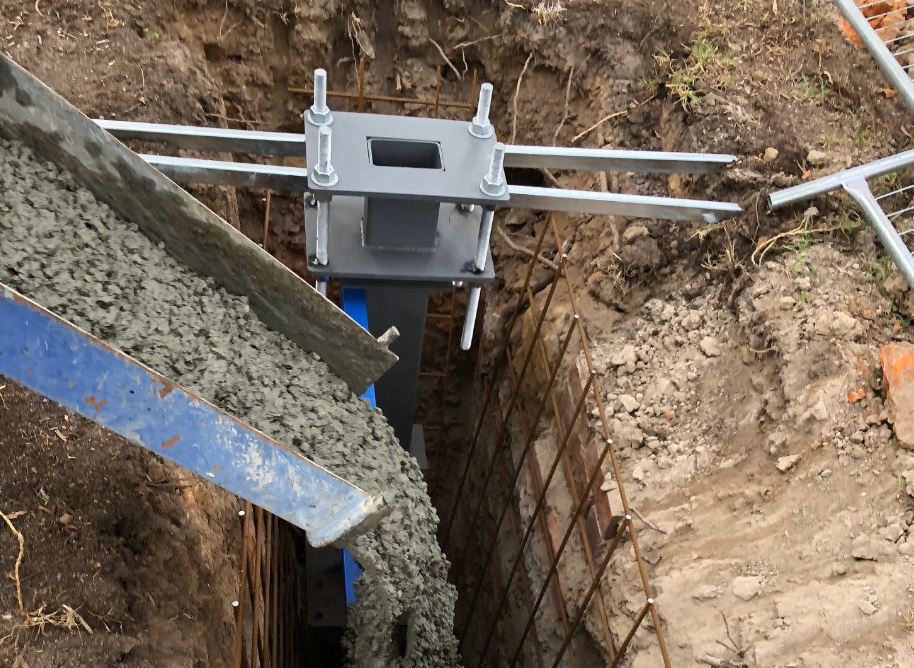
Prior to any sign installation in the ground, whether it be footings or poles directly into the ground, it’s important to know what essential services or infrastructure are below the ground. Prior to excavation, Dial Before You Digs allows Form A Sign to understand where the underground assets are, and how the proposed sign installation or excavation may be impacted. Underground assets that may be impacted may include water, electricity, communications and gas. All we need to know is your property address to organise Dial Before You Digs.

When DBYD (now Before You Dig Australia – BYDA) shows lots of underground services, you can still install a sign, but you must follow safe‑digging procedures and often change your installation method.
Form A Sign have 2 Master Builders in Signage on board and can advise on the best method for installing your sign safely.
1. Start with DBYD Plans + On‑site Locating
DBYD plans alone aren’t enough.
You must also:
- Use a certified locator to physically mark all services.
- Confirm depth, alignment, and tolerance zones.
- Identify exclusion zones (gas, HV electrical, communications, water, etc.).
Tip: If services are stacked or clustered, locating becomes even more critical.
2. Hand‑Dig Inside the Tolerance Zone
Australian safe‑digging rules require:
- No machine digging within the tolerance zone (often 300–500 mm either side of the service; check the asset owner’s guidelines).
- Only hand tools or vacuum excavation allowed in these areas.
3. Use Vacuum Excavation (Preferred Method)
When there are many services, hydro‑vac / vacuum excavation is the safest method.
Benefits:
- Exposes services without damage.
- Creates a safe clearance hole before digging further.
- Often required by utility owners in congested areas.
Most councils and Tier 1 contractors request this method.
4. Adjust the Installation Method
If the ground is packed with services, you may not be able to dig a traditional 600–900mm footing.
Common alternatives:
✔ Offset the sign
Move the sign slightly (even 300mm–1m) to a safer zone outside the service cluster.
✔ Use a smaller or shallower footing
With engineer or council approval:
- shorter depth
- wider footings
- screw‑in anchors
- bolt‑down posts
✔ Use a surface‑mounted post system
Examples:
- Bolt-down base plates fixed to existing concrete
- Weighted portable bases (for temporary signage)
✔ Use a screw pile
These penetrate vertically but can be guided between services by a locator.
5. Contact Asset Owners if Needed
If a service is blocking the exact sign position, you can request:
- permission to shift the sign
- additional clearance details
- supervision during excavation (some utilities require this)
6. Document Everything
Proper documentation protects you legally and professionally:
- DBYD plans
- Locator marks & photos
- Excavation method
- Depths of exposed services
Adjusted sign location